

Fashion design has always combined creativity, imagination and an understanding of people. Today, technology is adding new possibilities to this process. Artificial Intelligence (AI) is helping designers explore ideas, create digital visuals, understand trends and improve different stages of fashion development.
From generating design concepts to studying customer preferences, AI in fashion design is changing how professionals approach their work. However, technology alone cannot create a successful fashion collection. Designers still need creativity, technical knowledge and an understanding of fabrics, colours, fit and personal style.
For students planning a career in fashion, understanding AI and developing essential design skills can help them prepare for an evolving industry.
How Is AI Changing Fashion Design?
AI can support fashion professionals in several ways, making certain tasks faster and helping them explore more creative possibilities.
1. Generating New Design Ideas
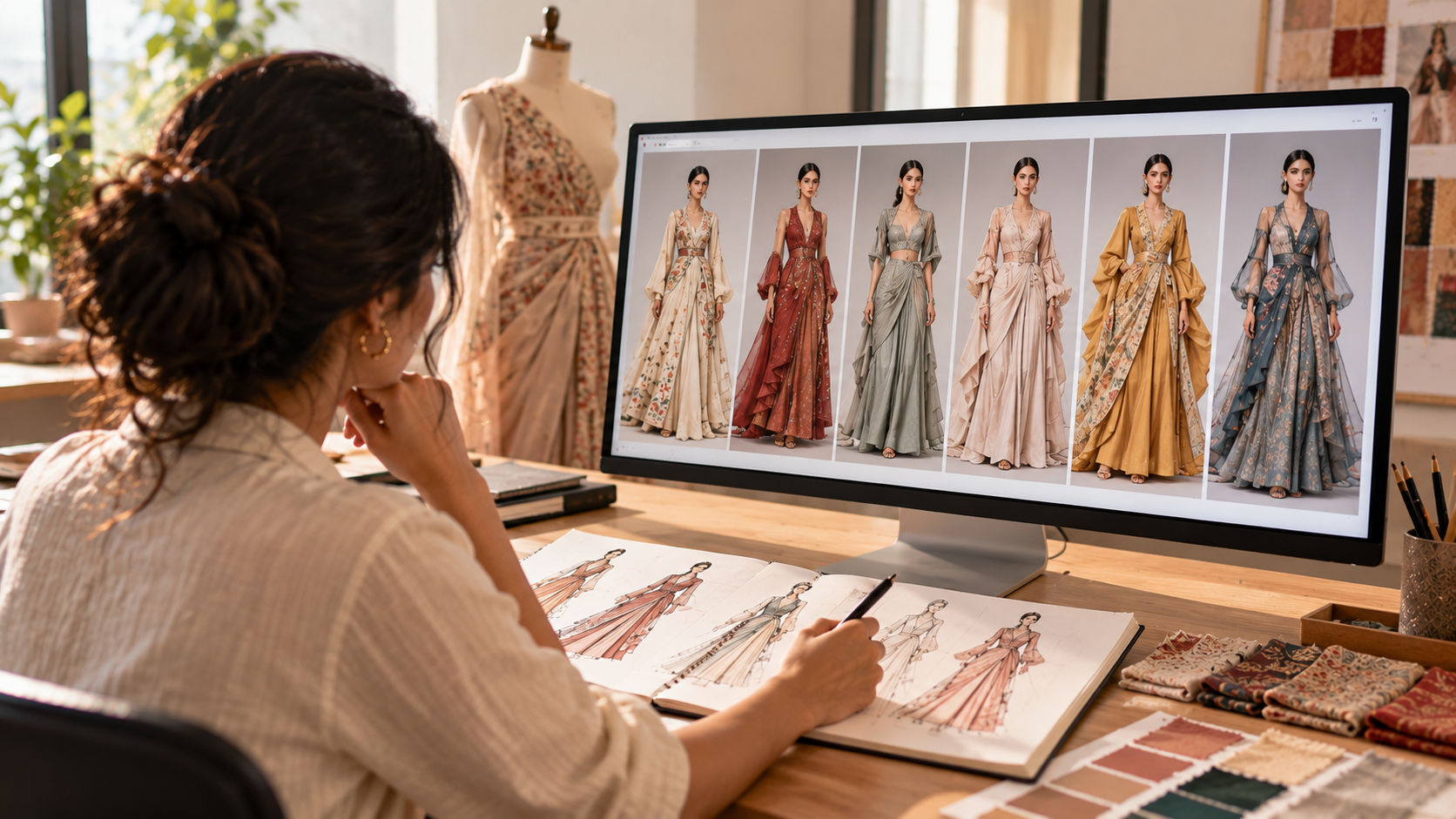
AI-powered tools can generate visual concepts from written prompts, references and design instructions. Designers can explore different silhouettes, colour combinations, prints and styles before developing their final concepts.
These visuals can help designers experiment with ideas and communicate their vision more clearly. However, the designer must select, refine and develop the concepts to suit the intended collection.
2. Understanding Fashion Trends
Fashion professionals need to understand changing customer preferences and market trends. AI tools can help analyse large amounts of information, including shopping patterns, online engagement and product preferences.
These insights can support decisions about colours, styles and collections. Designers must still use their judgement to interpret the information and create designs that reflect their brand identity.
3. Exploring Digital Fashion and Visualisation
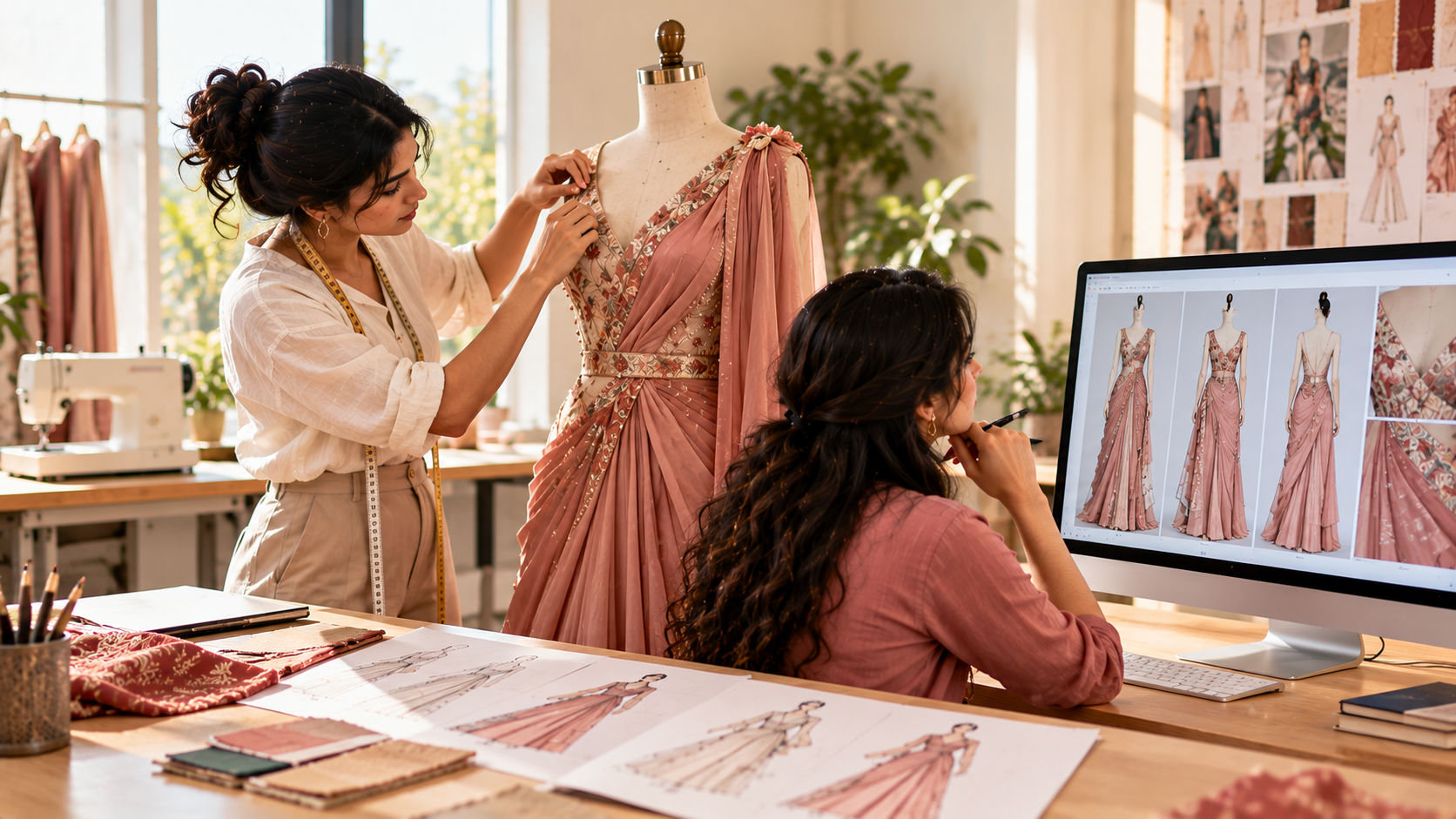
Digital tools allow designers to explore garment concepts before creating physical samples. AI can support visualisation by generating variations of designs and helping teams communicate ideas.
When combined with computer-aided design (CAD) and 3D garment visualisation tools, digital workflows can help designers review details and explore alternatives before production.
4. Supporting Personalisation
Customers have different preferences for styles, colours, sizes and fits. AI can help fashion businesses understand these preferences and offer more personalised product recommendations.
For designers, this information can provide useful insights into what different customer groups may want, helping them make more informed design decisions.
5. Improving Design Workflows
AI can assist with certain repetitive tasks, such as organising visual references, generating concept variations and preparing initial design presentations. This can give designers more time to focus on creative decisions, garment details and the overall collection.
AI is best viewed as a tool that supports the design process rather than a replacement for the designer’s skills and judgement.
Essential Skills Future Fashion Designers Need
As AI becomes more common in creative industries, future designers will benefit from combining traditional fashion knowledge with digital skills.
1. Creativity and Original Thinking
Technology can generate multiple ideas, but designers need to develop a distinct point of view. Understanding inspiration, culture, customer needs and personal style helps them create collections with a clear identity.
2. Fashion Illustration and Design Development
Fashion illustration helps designers communicate their ideas through sketches and visual representations. Learning to develop silhouettes, proportions, colours and details remains important, even when digital tools are part of the process.
3. Fabric and Garment Construction Knowledge
Understanding textiles, pattern making, stitching and garment construction helps designers turn concepts into wearable clothing. AI-generated visuals may look appealing, but practical knowledge is needed to assess whether a design can be made effectively.
4. Digital Design and AI Literacy
Future designers should become familiar with relevant digital tools, including CAD software and AI-assisted visualisation platforms. They should also learn how to write clear prompts, assess generated results and refine outputs.
The goal is not simply to use more tools. It is to understand which tools can support a particular design task.
5. Critical Thinking and Problem-Solving
AI-generated concepts may contain inaccurate details, impractical garment structures or ideas that do not match the brief. Designers must review these outputs carefully and make decisions based on function, quality, originality and customer needs.
6. Communication and Collaboration
Fashion design involves working with teams across design, merchandising, production and marketing. The ability to explain ideas, receive feedback and work with others remains essential in a technology-driven environment.
Will AI Replace Fashion Designers?
AI is likely to change some fashion design tasks, but it does not remove the need for human creativity and decision-making. Fashion requires an understanding of people, culture, materials, comfort and personal expression.
Designers who learn to use technology thoughtfully can explore new ways to develop ideas while retaining their creative identity. They must also consider originality, copyright, responsible use of AI-generated content and the environmental impact of digital technologies.
The future of fashion design will depend on how effectively designers combine creative thinking, practical knowledge and appropriate technology.
How Can Aspiring Designers Prepare for the Future?
Students interested in fashion should build a strong foundation before relying heavily on AI tools. Learning fashion fundamentals, experimenting with different materials, practising illustration and understanding garment construction can help them develop the skills needed to evaluate digital concepts.
They can also explore digital design tools, create a portfolio of original work and learn how to explain the decisions behind their designs.
At Hamstech, students can explore fashion education through programmes covering areas such as fashion illustration, textiles, garment construction and computer-aided design, depending on the selected programme. These skills can provide a foundation for understanding both traditional design methods and emerging digital workflows.
Ready to Turn Your Creativity into a Career?
Speak with our admissions experts to explore courses, career opportunities, placements, and entrepreneurship support at Hamstech📞 Talk to an Expert: 9885420202
Frequently Asked Questions
1. What is AI in fashion design?
AI in fashion design refers to the use of artificial intelligence tools to support tasks such as generating design concepts, analysing trends, visualising garments and understanding customer preferences.
2. How does AI help fashion designers?
AI can help designers explore ideas, generate visual variations, analyse market information and support certain repetitive tasks. Designers remain responsible for refining concepts and making final creative decisions.
3. Will AI replace fashion designers in the future?
AI may change how some tasks are performed, but fashion design also requires creativity, fabric knowledge, cultural understanding and practical problem-solving. Learning to work with technology can help designers adapt to industry changes.
4. What skills do future fashion designers need?
Important skills include creativity, fashion illustration, textile knowledge, pattern making, garment construction, digital design, AI literacy, critical thinking and communication.
5. Should fashion design students learn AI tools?
Learning relevant AI tools can help students explore concepts and understand emerging design workflows. However, AI knowledge should complement fashion fundamentals rather than replace them.